

Entrepreneurship · Brand Launch · Consumer Products
A plasma cutter, a partner,
and no manual
Co-founding a product brand from zero. Full brand identity, product design, e-commerce, and one year of learning what design school never teaches.
Company
Wasatch Craft
Role
Co-Founder, Creative Director
Timeline
2024 - 2025
Disciplines
Brand · Product · E-commerce · Manufacturing
The situation
A plasma cutter nobody
knew how to run
A friend connected me with someone who owned a plasma cutter that nobody knew how to operate. I had a 3D printer at home and enough mechanical curiosity to figure out the rest. I learned the hardware, acquired the software, learned how to build files the machine could cut, and worked through the quirks until we had something reliable. Then I built a brand around what we were making.
The plasma cutter heats metal and cuts by burning through steel sheet. What it leaves behind on every edge is slag, hardened metal residue that has to be removed before anything can be sealed, painted, or shipped. That finishing process would turn out to be the most important variable in the entire business.
The work
Every part of the business
was a design problem
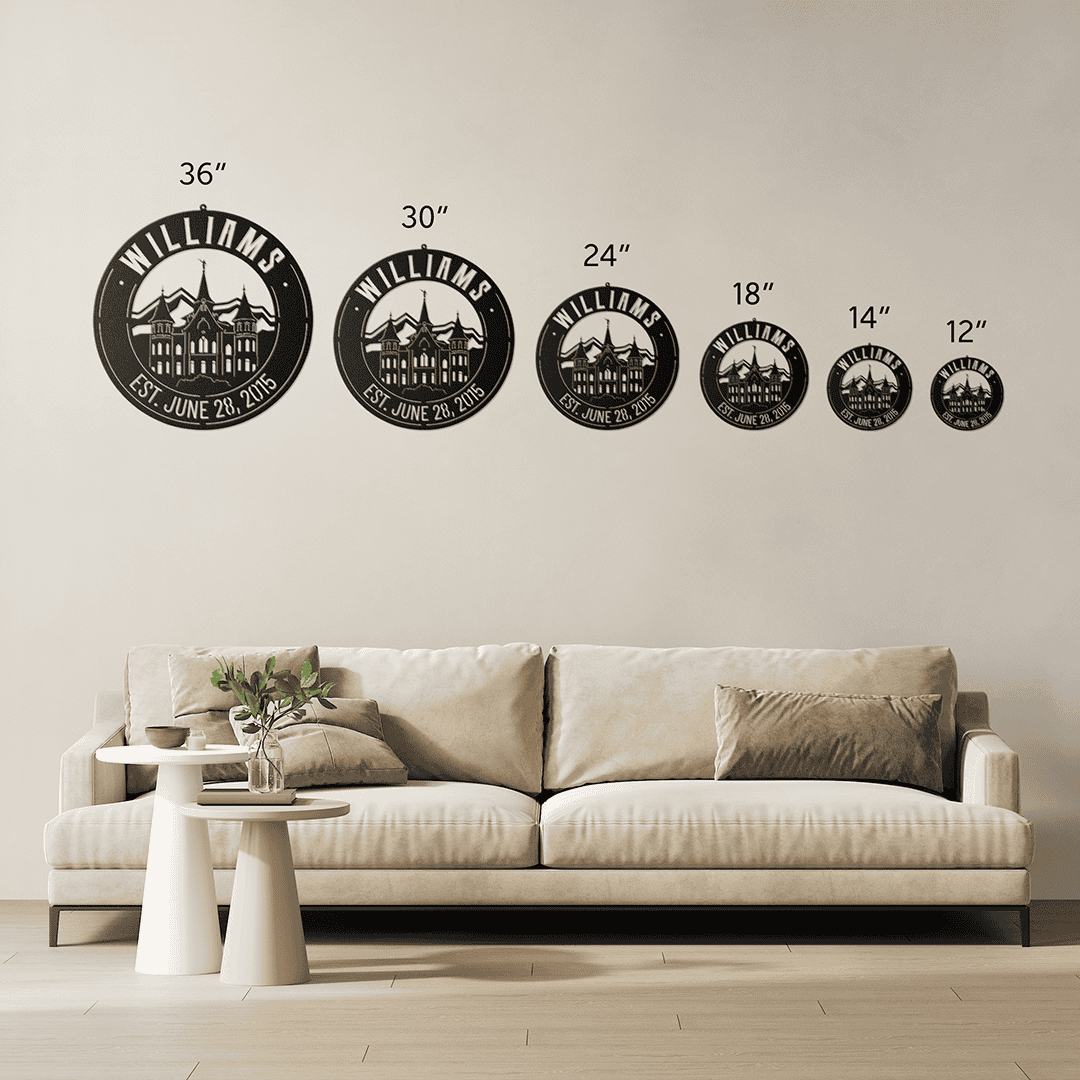
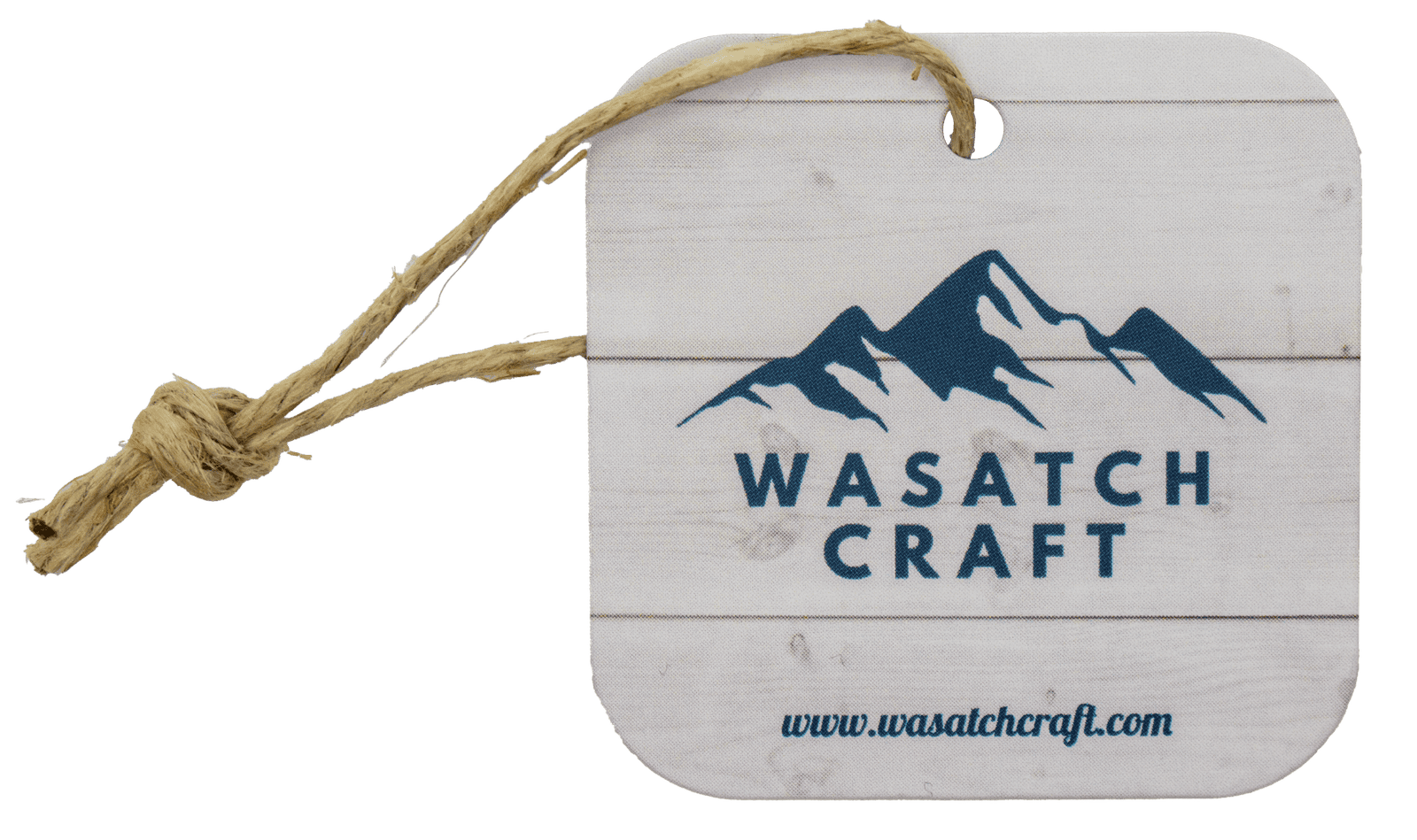
The brand needed to feel handmade and rooted, something that matched the products and the people likely to buy them. I designed the logo, the website, the product tags, the packaging stickers, and the presentation of every piece we shipped. Orders went out wrapped in plain paper in bubble envelopes. It was grassroots by choice as much as by necessity.
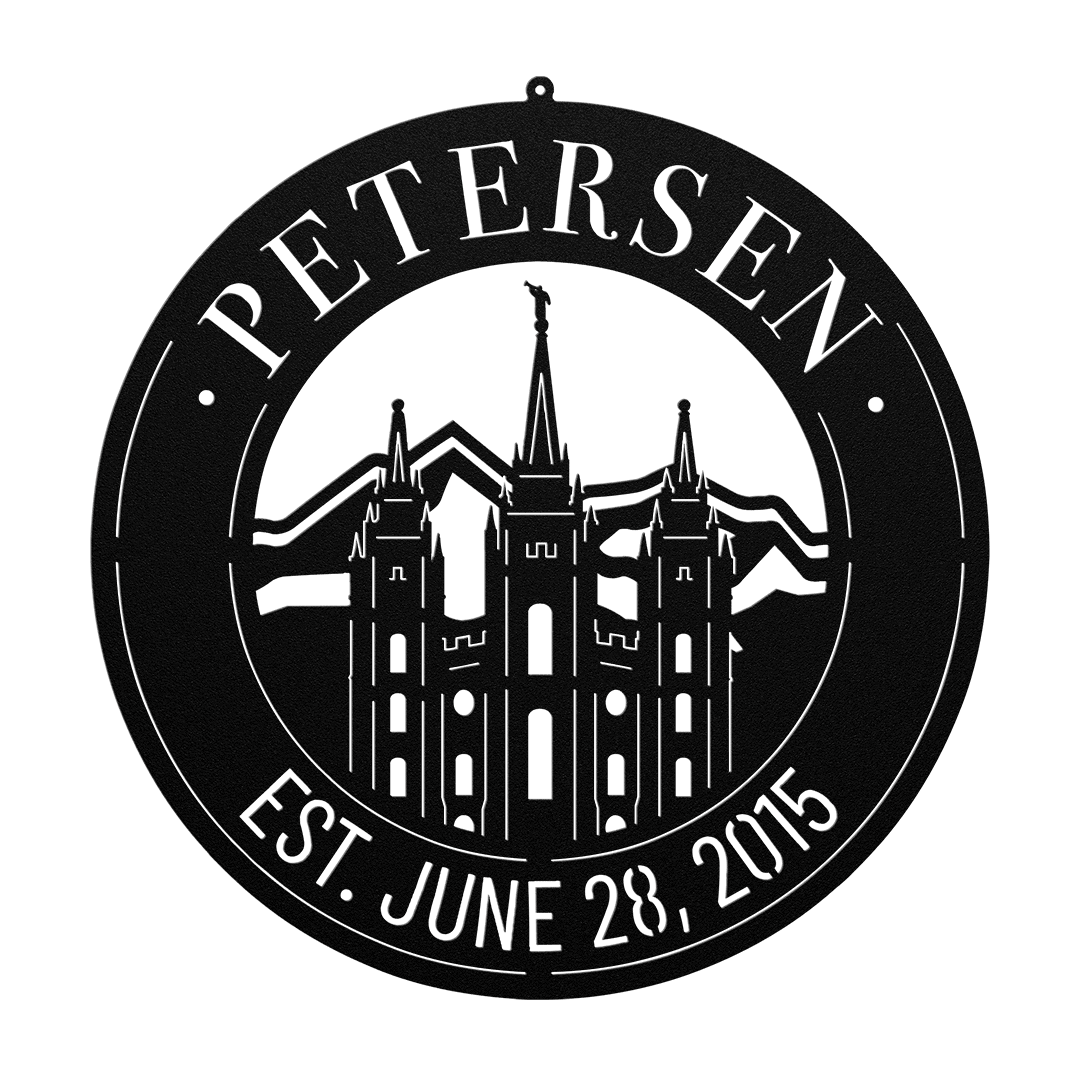
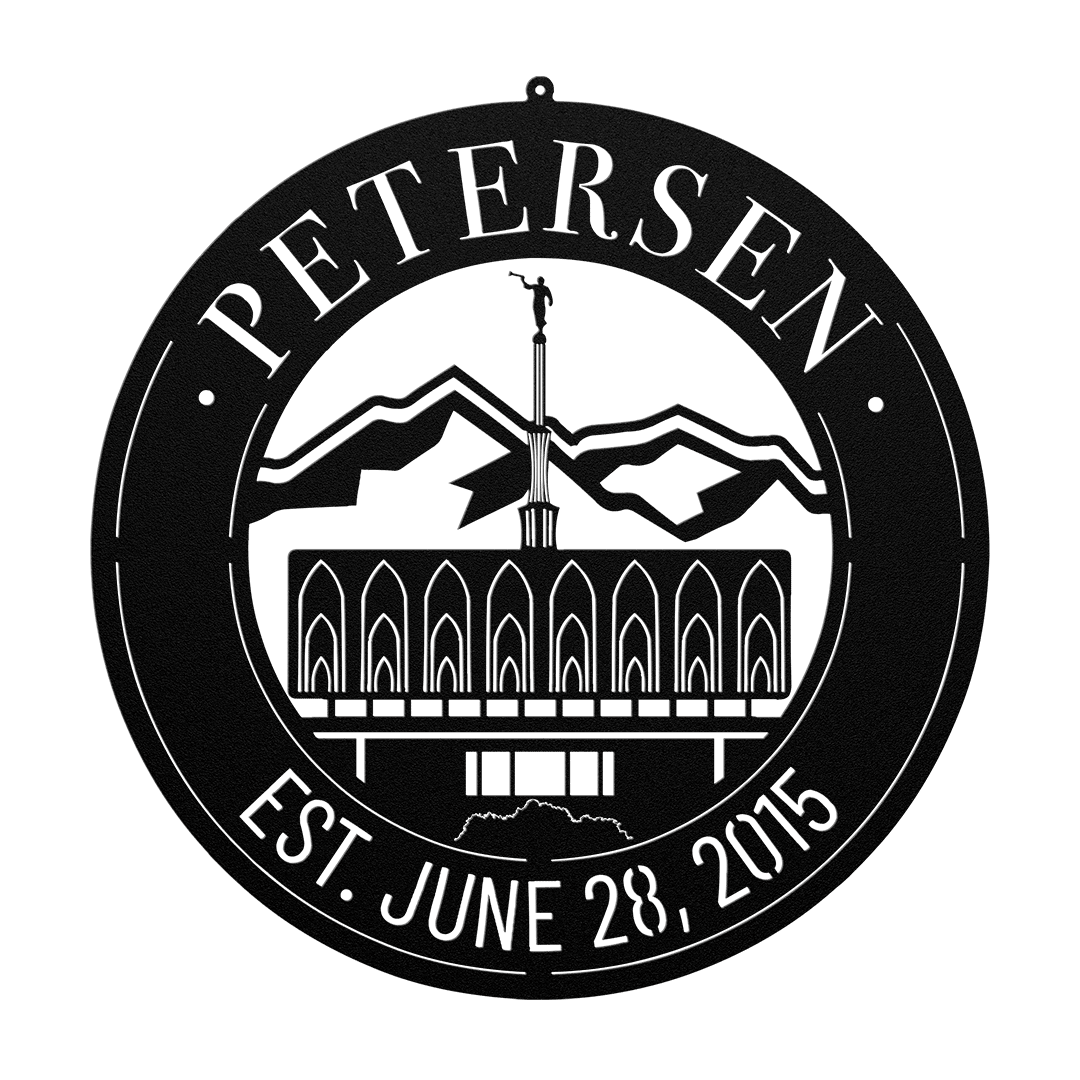
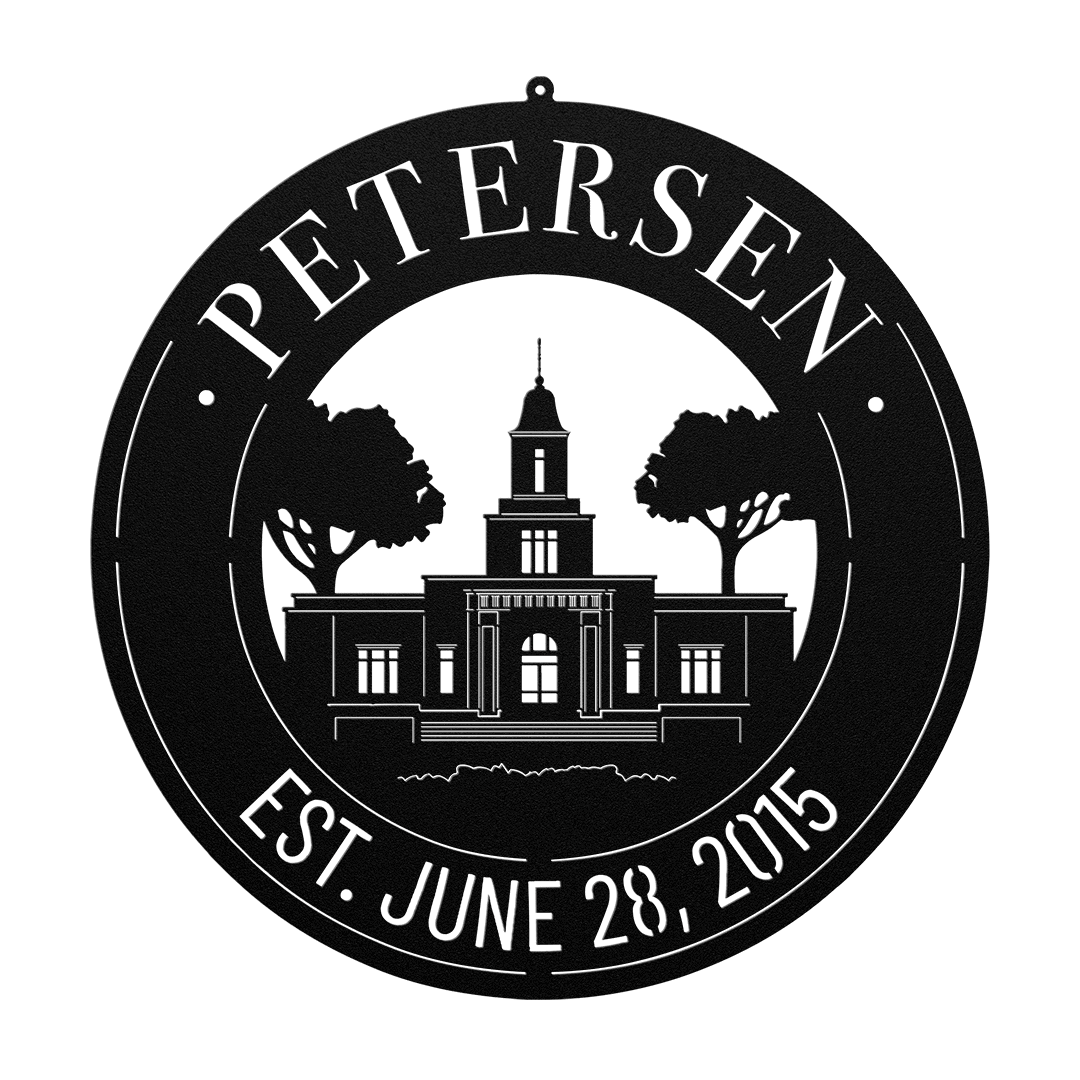
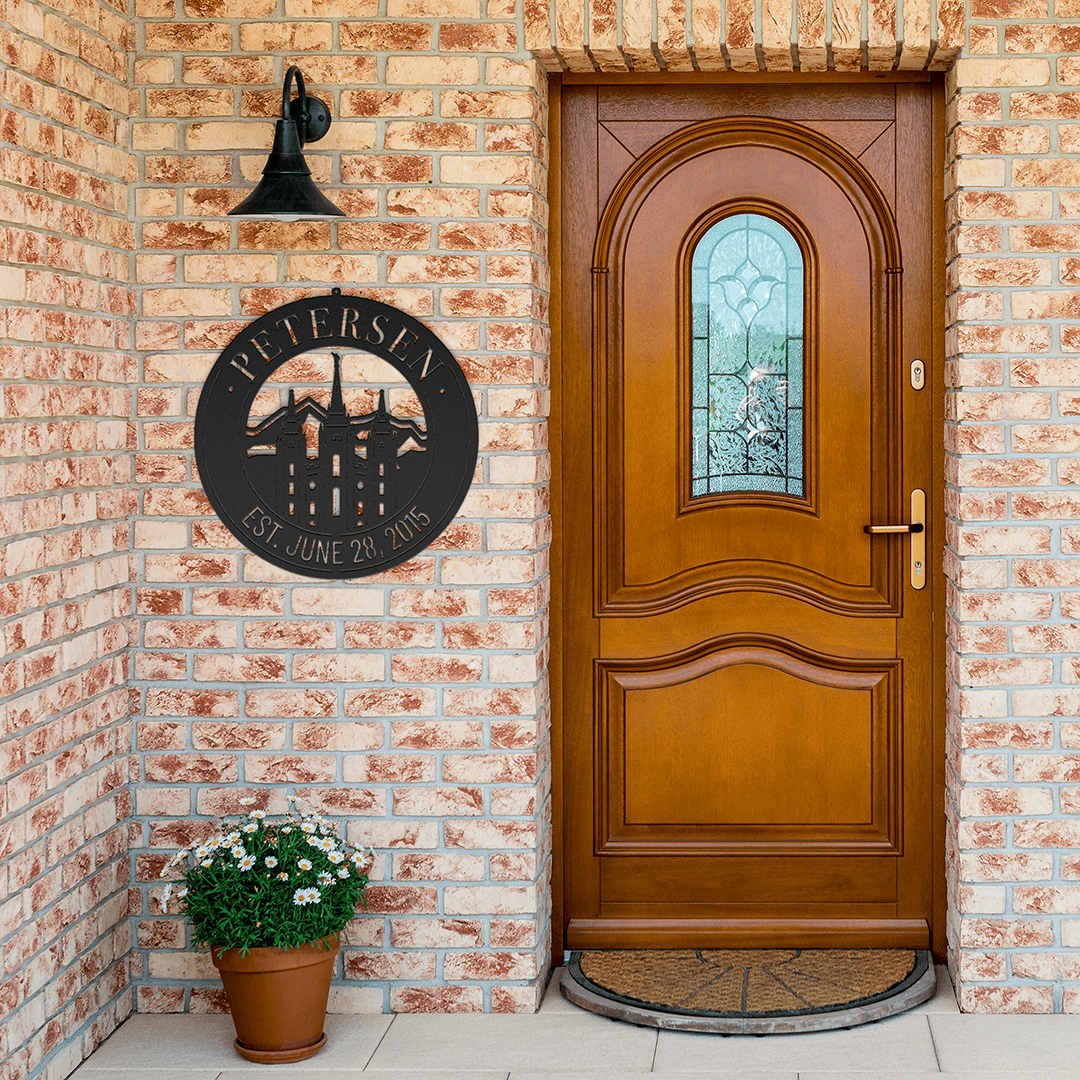
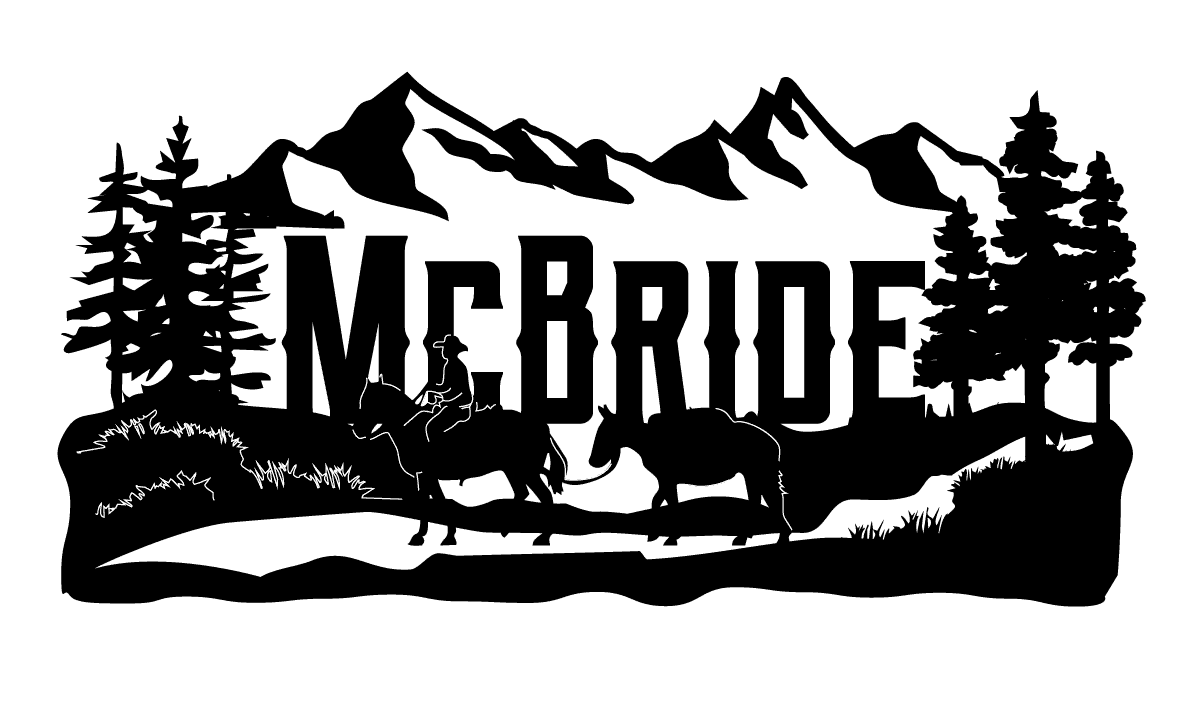
The products included large custom family name signs, LDS temple pieces, Christmas ornaments, cutting boards, and custom plasma cut work. Each one started as a file I designed, became a cut piece of steel, and ended as a finished product after significant post production work.


CMYK 67, 60, 59, 46
RGB 65, 65, 65
HEX #414141
CMYK 7, 5, 6, 0
RGB 233, 233, 233
HEX #E9E9E9
CMYK 99, 79, 41, 34
RGB 17, 54, 86
HEX #113656















The constraint
The math lived in the finishing,
not the cutting
In the beginning I ground the slag off every edge by hand. Later I added a pneumatic chisel to break it faster, then still ground and sand blasted every piece to prep the surface properly. A 24 inch custom sign at $150 took between 30 minutes and an hour to finish. An ornament took 30 minutes but I could run ten at a time.
The ornaments were the better business. The signs were the better product. I could not build enough volume of either to make the economics work without more hands and better equipment. I was the designer, the manufacturer, and the shipping department simultaneously. Something had to give.


The outcome
Ten products. One distribution problem.
One clear lesson.
The product range included large custom family name signs, personalized temple wall art, Christmas ornaments, cutting boards, and custom plasma cut work. Each piece was designed, cut, finished by hand, and shipped with branded packaging. The work was strong. Web traffic was minimal and converting strangers to buyers proved harder than making the products themselves.
I made the decision to close when it became clear that competing with modern laser cutting technology on our equipment and at our scale was not viable. The business closed. The learning did not.
What I learned
Design is one part of a much larger system
Working inside an organization means someone else handles the parts of the business you are not responsible for. Co-founding a company means you are responsible for everything. These were the two lessons I would not have learned any other way.
Distribution matters as much as design
No amount of design quality solves the problem of getting strangers to trust a brand they have never encountered. Distribution, reach, and time in market matter as much as the work itself. I understood this intellectually before Wasatch Craft. I understood it viscerally after.
Unit economics are a design constraint
The post production labor cost on a $150 sign was a design problem I could not solve with better visual craft. The constraint was manufacturing, not creativity. Learning to think about design decisions in terms of production cost and viable price points is a discipline most designers working inside organizations never develop.
A personal note
I was the designer, the manufacturer,the marketer, and the shipping department
Working inside an organization means someone else handles the parts of the business you are not responsible for. Co-founding a company means you are responsible for everything. I learned that the hardest part of building a direct to consumer brand is not the product and not the design. It is getting strangers to trust you enough to buy something they have never touched from a store they have never heard of. No amount of design quality solves that problem on its own.
I enjoyed building Wasatch Craft more than I expected to. The physical nature of the work, designing something that a machine then cuts from steel that you then finish by hand and ship to someone's home, connected the design process to a tangible outcome in a way that screen work never quite does. Closing it was the right call. But I would not trade the year.
I would not trade the year.
A postscript
After closing Wasatch Craft I kept making ornaments.
In November 2025, selling locally through Facebook Marketplace with no brand, no website, and no partner, I sold over 400 in a single month. The product was never the problem. Finding the right audience through the right channel just took longer than the business had time for.